Hearts of Lake Charles –
Advanced Cardiac & Thoracic Surgery
World-Class Heart & Lung Surgery in
Lake Charles, Louisiana
Comprehensive cardiac and thoracic surgical care delivered with 30 years of experience, precision, and compassion—serving Southwest Louisiana, Texas, and international patients, including Jehovah’s Witness communities.
Cardiac surgeon in Lake Charles providing advanced heart and lung surgery with minimally invasive options, robotic thoracic techniques, and dedicated bloodless surgery pathways.
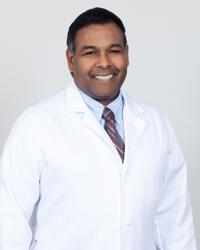
Daniel L. Beckles, MD, PhD
Experience Matters in Heart Surgery
Daniel L. Beckles, MD, PhD is a board-certified cardiothoracic surgeon with more than 30 years of surgical experience. He has served as an academic surgical director in the areas of minimally invasive surgery, heart and lung transplantation, clinical professor, and surgical leader, with multiple peer-reviewed publications and academic contributions in cardiac and thoracic surgery. He brings high-level surgical expertise to the Southwest Louisiana community, serving patients locally in Lake Charles as well as from Houston, Beaumont, New Orleans, Lafayette, and throughout the Caribbean and abroad.
30+ years cardiothoracic experience
American Board Certified cardiothoracic surgeon
Clinical Professor and surgical educator
Published author in cardiac and thoracic surgery
Program director experience in major academic centers
Minimally invasive and robotic thoracic expertise
Patients and families choose Dr. Beckles for complex heart and lung surgery because of his calm, thorough approach and his focus on safety, outcomes, and clear communication. Whether you are considering coronary bypass surgery, valve repair, lung cancer surgery, or a second opinion, you receive honest guidance and a personalized surgical plan.
Heart surgery in Southwest Louisiana with regional referral reach
CABG surgeon near Houston without big-city congestion
Lung cancer surgery Lake Charles with minimally invasive options
Dedicated support for international and Caribbean patients
As a cardiothoracic surgeon in Louisiana with international experience, Dr. Beckles is comfortable coordinating care for patients traveling from other states and countries, including those seeking bloodless cardiac and thoracic surgery or minimally invasive lung cancer surgery in Lake Charles.
Comprehensive Cardiac Surgery
Cardiac surgery is never “one-size-fits-all.” Every procedure is tailored to your anatomy, risk profile, and long-term health goals. As a cardiac surgeon in Lake Charles, Dr. Beckles offers advanced options—from traditional open-heart surgery to minimally invasive heart surgery in Louisiana—designed to improve safety, durability, and recovery.
Coronary Surgery
Coronary Artery Bypass Grafting (CABG)
Minimally Invasive CABG (MICS)
Off-pump CABG (OPCAB)
Hybrid Coronary Revascularization (HCR)
Multiple Arterial CABG
Valve & Aorta
Valve Repair & Replacement (Aortic, Mitral, Tricuspid)
Minimally Invasive Valve Surgery
Aortic surgery and aneurysm repair
Atrial Fibrillation Surgery (Maze and Hybrid Convergent Maze Procedure)
Left atrial appendage closure
Transcatheter Aortic Valve Replacement (TAVR)
Complex & Reoperative
Heart failure surgery
Reoperative cardiac surgery
Hypertrophic Obstructive Cardiomyopathy (HOCM)
Atrial Septal Defects (ASD) Congenital Repair
Emergent cardiac surgery
Many patients travel for heart surgery in Southwest Louisiana to receive focused care without large academic center complexity. If you are seeking a CABG surgeon near Houston or valve repair in Louisiana, our team can coordinate records, imaging, and travel for a smooth experience.
Advanced Robotic Thoracic Surgery
From lung cancer surgery to complex chest wall reconstruction, Dr. Beckles provides advanced thoracic surgery in Louisiana with a strong focus on minimally invasive and robotic techniques whenever appropriate.
Lung Cancer Surgery
Minimally Invasive Lung Resection
Mediastinal Tumors- Thymus
Esophageal Surgery
Chest Wall Reconstruction- Pectus
Pleural Disease
Thoracic Trauma Ribs repair
Lung biopsy and nodule evaluation
Patients seeking minimally invasive lung surgery and chest surgery in Southwest Louisiana benefit from robotic-assisted thoracic surgery, smaller incisions, and coordinated care close to home within our local comprehensive Cancer Center and Multidisciplinary Tumor Board.
Clarity Before Major Surgery
Heart and lung operations are life-defining decisions. A second opinion can confirm the need for surgery, clarify options, or suggest alternatives. Dr. Beckles carefully reviews your cardiac catheterization results, echocardiograms, CT scans, pulmonary function tests, and prior surgical recommendations to give you a clear, calm explanation in language you can understand.
Virtual second opinions are available for patients in Texas, New Orleans, Southwest Louisiana, and the Caribbean, with secure upload of your records and imaging.
When to Consider a Second Opinion
- You feel rushed into heart or lung surgery.
- You were told you are “too high risk” and want to know if options exist.
- You want to confirm a recommendation for CABG, valve surgery, or lung cancer surgery.
- You prefer minimally invasive or bloodless approaches when possible.
Welcoming International Patients
Hearts of Lake Charles serves patients from across the United States and the Caribbean who are seeking expert cardiac and thoracic surgery in a calm, accessible setting. Lake Charles is easily reached from Houston and New Orleans by road, and via a regional airport with connecting flights.
Patients and families often stay at Golden Nugget Lake Charles or L’Auberge Casino Resort Lake Charles, both offering VIP comfortable accommodations and amenities close to the hospital. Our team helps coordinate pre-travel virtual consultations, scheduling, and post-operative follow-up so your time in Louisiana is focused and efficient.
- Virtual consults before you travel
- Assistance with medical records and imaging transfer
- Guidance on local accommodations and transportation
- Clear plan for post-surgical follow-up once you return home
Your Care, Coordinated
Whether you are traveling from the Caribbean, Central America, or another U.S. state, our goal is to make your experience organized and predictable. We work closely with hospital partners to support secure transfer of test results, timely surgery scheduling, interpreter services when needed, and clear communication with your doctors back home.
Heart Health Beyond Surgery
Strong outcomes in cardiac and thoracic surgery begin long before the operating room. The ABCDE framework offers a simple way to think about everyday choices that protect your heart and lungs. This information is educational and is not a substitute for medical advice from your personal physician.
The ABCDEs Framework
A – A1C & metabolic control
Keeping blood sugar and A1C in target range helps protect your heart, kidneys, brain and blood vessels.
B – Blood pressure management
Controlling blood pressure reduces the strain on your heart muscle and lowers stroke and heart failure risk.
C – Cholesterol optimization
Managing LDL, HDL, and triglycerides with lifestyle and, when appropriate, medication lowers the chance of plaque buildup in the heart arteries.
D – Diet, dental health & inflammation control
Emphasizing whole foods, Mediterranean diet, lean proteins, fruits, vegetables, and reduced sodium can help calm inflammation and support vascular health. Good oral care helps decrease inflammation and critical prior to valve surgery.
E – Exercise & conditioning
Regular, moderate activity—approved by your physician—supports weight control, blood pressure, control diabetes and overall heart strength.
S – Screening, smoking cessation, stress management and strategy.
Although heart disease is the leading cause of suffering, cancers are the second leading cause and as one ages both diseases can occur together. Get your screening updated today. Strategize putting health first.
Advanced Care in a Comfortable Destination
Lake Charles offers modern hospital facilities, up-to-date operating rooms, and experienced cardiac and thoracic teams—combined with the hospitality and calm of a smaller city. Many patients from Houston, New Orleans, Lafayette, Beaumont, and the Caribbean choose Lake Charles for high-quality surgical care without the congestion, long waits, and complexity of large metropolitan centers.
With nearby hotels and resorts, walkable waterfront views, and easy highway access, Lake Charles can be a supportive environment for family members during your surgery and recovery.
Cardiac Surgery in Lake Charles, Louisiana
As a cardiac surgeon in Lake Charles, Dr. Daniel L. Beckles provides a full range of heart surgery services for patients across Southwest Louisiana, Southeast Texas, and beyond. From coronary artery bypass grafting (CABG) to complex valve repair and aortic surgery, care is personalized to your anatomy, risk factors, and long-term goals.
Patients seeking heart surgery near Houston often choose Lake Charles for expert care without the pace and distance of a large metro area. Below you will find an overview of key cardiac procedures performed by Dr. Beckles.
Schedule a Cardiac Consultation
Discuss your diagnosis, test results, and options in a calm, focused visit—either in person or by video when appropriate.
Coronary Artery Bypass Grafting (CABG)
What it is: CABG is a surgical procedure that creates new pathways for blood to flow around blocked coronary arteries using vein or artery grafts. It is one of the most studied and effective treatments for advanced coronary artery disease.
Who it’s for: Patients with multiple blocked coronary arteries, left main disease, diabetes with multivessel disease, or those who are not ideal candidates for stents alone. Many patients are referred from cardiologists in Southwest Louisiana and Houston for CABG surgery in Lake Charles.
Why it’s performed: To relieve angina (chest pain), improve blood flow to the heart muscle, reduce heart attack risk, and improve survival in appropriate patients.
Recovery overview: Most patients spend several days in the hospital, including time in the ICU, followed by a few weeks of recovery at home. Cardiac rehabilitation is often recommended to support safe return to activity.
Risks & safety: As with any major heart surgery, risks include bleeding, infection, stroke, heart attack, and lung or kidney issues. Dr. Beckles uses meticulous technique, evidence-based protocols, and careful pre-operative evaluation to reduce risk wherever possible and to support a safe recovery.
Minimally Invasive CABG
What it is: Minimally invasive CABG uses smaller incisions—often between the ribs—instead of a full breastbone incision, when anatomy and disease pattern allow. Not all patients are candidates, but it can reduce pain and speed recovery in selected cases.
Who it’s for: Patients with specific artery blockages and body shape that allow safe access through smaller incisions. Your cardiologist and surgeon will review angiograms and imaging to decide if minimally invasive heart surgery in Louisiana is right for you.
Why it’s performed: To restore blood flow to the heart while potentially reducing incision size, hospital stay, and return-to-activity time compared with traditional surgery in suitable patients.
Recovery overview: Many patients experience less discomfort at the incision site and may return to daily activities somewhat sooner, though every recovery is individual and still requires careful follow-up.
Risks & safety: All heart surgery carries risk; minimally invasive access adds its own technical considerations. Dr. Beckles has been performing this procedure for over a decade and will only recommend this approach if he believes it is safe and appropriate for your specific condition.
Valve Repair & Replacement (Aortic, Mitral, Tricuspid)
What it is: Valve surgery repairs or replaces heart valves that leak (regurgitation) or are narrowed (stenosis). Whenever possible, Dr. Beckles emphasizes valve repair to preserve your native valve, especially for mitral valve disease, but safe replacement options are also available.
Who it’s for: Patients with significant valve disease on echocardiogram who have symptoms, changes in heart size or function, or specific high-risk features—even if symptoms are mild. Valve repair in Louisiana is often recommended before heart damage becomes advanced.
Why it’s performed: To restore proper one-way blood flow, relieve symptoms such as shortness of breath and fatigue, and prevent heart failure or arrhythmias related to chronic valve problems.
Recovery overview: Valve surgery recovery is similar to other open-heart operations, with a hospital stay followed by home recovery and possible cardiac rehab. Long-term outcomes are often excellent when performed at the right time in the disease course.
Risks & safety: Risks include bleeding, stroke, infection, rhythm issues, and valve-related complications. Dr. Beckles will review the differences between mechanical and tissue valves, blood thinner needs, and long-term expectations to support an informed decision.
Aortic Surgery
What it is: Surgery on the aorta—the main artery leaving the heart—to repair aneurysms (enlargements), dissections (tears in the wall), or other structural problems. This may involve replacing part of the aorta with a graft, often combined with valve surgery when needed.
Who it’s for: Patients with aortic aneurysms, genetic connective tissue disorders, bicuspid aortic valve with aortic enlargement, or acute aortic dissection. Many are identified on echocardiogram or CT scans before symptoms occur.
Why it’s performed: To prevent life-threatening rupture or progression of dissection, and to stabilize the aorta for the long term.
Recovery overview: Recovery is similar to other major open-heart procedures, with close monitoring in the ICU, gradual mobilization, and follow-up imaging to confirm repair stability over time.
Risks & safety: Aortic surgery is complex, with risks that include bleeding, stroke, heart attack, paralysis, and organ complications. Patients benefit from careful blood pressure control, detailed pre-operative imaging, and a thoughtful surgical plan tailored to their anatomy.
Atrial Fibrillation Surgery (Hybrid Convergent Maze Procedure)
What it is: The Hybrid Convergent Maze procedure combines two procedures, including minimally invasive surgical epicardial ablation (outside the heart) and electrophysiological endocardial ablation (inside the heart) aiming to restore normal rhythm or reduce the burden of atrial fibrillation (AFib).
Who it’s for: Patients with PERSISTENT and LONGSTANDING AFib who may have undergone previous catheter ablations in the past and who may benefit from rhythm control efforts at the same time.
Why it’s performed: Studies have shown improved outcomes compared to catheter ablation alone and to improve symptoms related to AFib, support better heart function, and potentially reduce stroke risk when combined with other standard therapies, as appropriate for each patient.
Recovery overview: Recovery follows the course of minimally invasive thoracic surgery (1-2 days hospitalization). Medication adjustments and rhythm monitoring are common after surgery as your heart heals.
Risks & safety: The Hybrid Maze procedure carries risks of bleeding, or recurrence of AFib but has proven safety by experienced surgeons. Decisions are individualized based on your rhythm history and overall risk profile.
Atrial Fibrillation Surgery (Maze Procedure)
What it is: The Maze procedure uses surgical lines of scar tissue (created with energy sources) to interrupt abnormal electrical circuits in the atria, aiming to restore normal rhythm or reduce the burden of atrial fibrillation (AFib).
Who it’s for: Patients with AFib who are already undergoing open-heart surgery for another reason, such as valve repair or CABG, and who may benefit from rhythm control efforts at the same time.
Why it’s performed: To improve symptoms related to AFib, support better heart function, and potentially reduce stroke risk when combined with other standard therapies, as appropriate for each patient.
Recovery overview: Recovery follows the course of the main operation (valve or bypass). Medication adjustments and rhythm monitoring are common after surgery as your heart heals.
Risks & safety: Adding a Maze procedure may extend operative time and carries risks of bleeding, need for a pacemaker, or recurrence of AFib. Decisions are individualized based on your rhythm history and overall risk profile.
Heart Failure, Reoperative & Emergent Cardiac Surgery
What it is: These categories include operations for advanced heart failure, low ejection fraction, , repeat heart surgery after prior operations, and emergency procedures such as surgery after a major heart attack or aortic tear.
Who it’s for: Patients with complex conditions who may have limited options and need a surgeon comfortable with higher-risk operations and re-entry into the chest after prior surgery.
Why it’s performed: To stabilize life-threatening conditions, improve quality of life when medical therapy alone is no longer sufficient, or address complications of previous procedures or devices.
Recovery overview: Recovery is highly individualized and may be longer or more intensive than standard cardiac surgery. Close follow-up with heart failure specialists, cardiologists, and rehabilitation programs is often essential.
Risks & safety: These procedures often carry higher risk due to the underlying condition. A detailed, honest discussion of benefits, risks, and alternatives is central to planning. Families are encouraged to ask questions and take time to understand the recommendations.
Thoracic Surgery in Lake Charles, Louisiana – Advanced Lung & Chest Surgery with Minimally Invasive Precision
When facing lung or chest surgery, experience and technology matter. As a lung cancer surgeon in Lake Charles, Dr. Daniel L. Beckles offers comprehensive thoracic surgery for patients across Southwest Louisiana, Houston, Beaumont, Lafayette, New Orleans, and the Caribbean. Care plans are carefully tailored to your diagnosis, lung function, and overall health.
Minimally invasive and robotic thoracic surgery—using the Da Vinci robotic platform—allows many patients to have smaller incisions, less pain, and a quicker return to daily activities, while still meeting cancer and safety goals when appropriate.
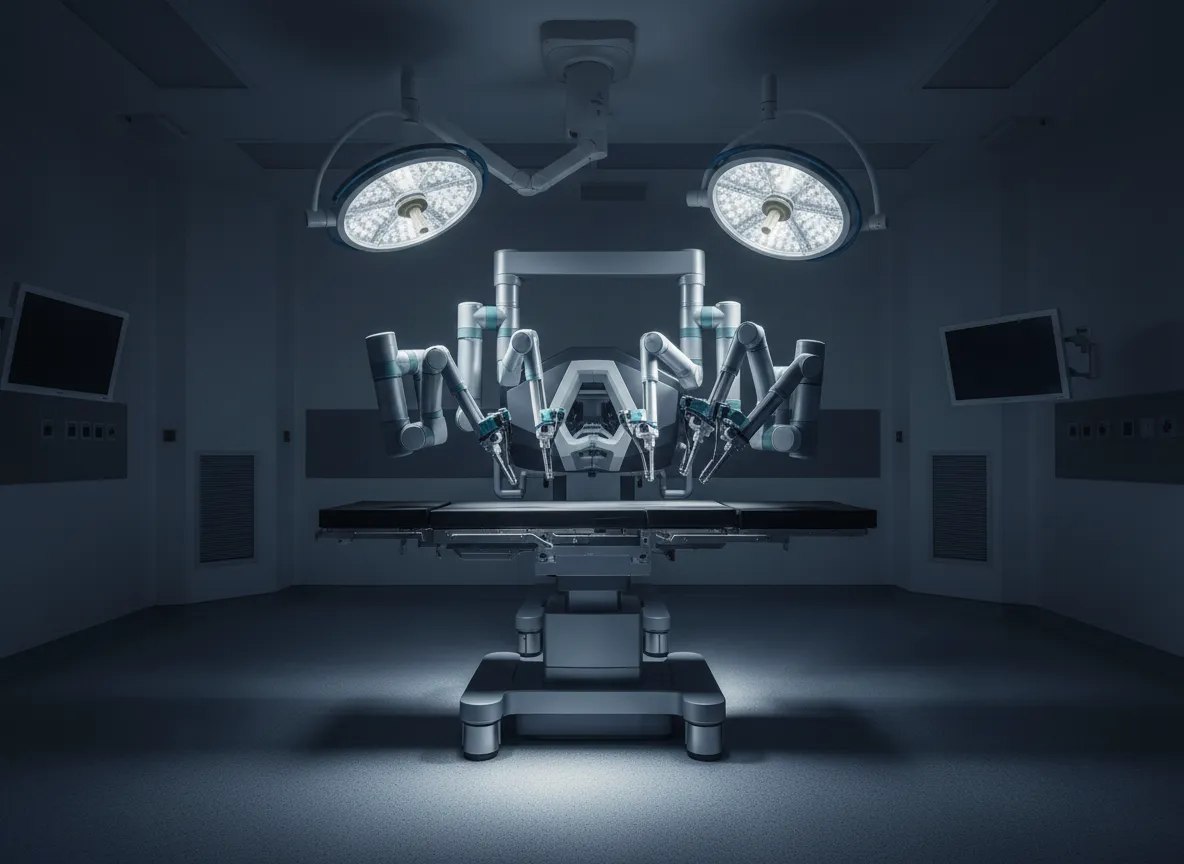
Thoracic surgery Louisiana patients receive at Hearts of Lake Charles emphasizes precision, safety, and thoughtful recovery planning, whether your condition is cancerous, benign, or related to trauma or infection.
Conditions Treated with Thoracic Surgery
Lung cancer: Early and locally advanced tumors, with options for minimally invasive and robotic resection when appropriate.
Pulmonary nodules: Small spots found on CT scans that may require monitoring, biopsy, or removal.
Mediastinal tumors: Growths in the center of the chest, near the heart and major vessels, including thymomas.
Pleural effusions: Fluid around the lungs that may need drainage and evaluation.
Pneumothorax: Collapsed lung related to air leakage, sometimes requiring surgical repair.
Esophageal disorders: Conditions such as strictures, achalasia, paraesophageal hernias, or early esophageal cancers.
Chest wall tumors: Benign or malignant growths involving ribs and chest wall tissues.
Thoracic trauma: Rib fractures, lung injuries, or chest wall instability after accidents, and unstable sternum from broken wires after previous open-heart surgeries.
Diaphragm disease: Diaphragm paralysis, especially if causing symptoms, can be repaired with robotic techniques
Early evaluation often leads to more options and better outcomes, especially for lung cancer and pulmonary nodules. If a CT scan has found a spot on your lung, a timely consultation with our comprehensive lung nodule team can schedule a biopsy and clarify the next best step.
Lung Cancer Surgery
Early detection and surgery offer the best chance for cure in many lung cancers. As a lung cancer surgeon in Lake Charles, Dr. Beckles works closely with pulmonologists, oncologists, and radiologists to stage your disease accurately and design an operation that balances cancer control with lung preservation.
- Robotic lobectomy: Removal of an entire lobe of the lung using the Da Vinci robotic platform through small incisions.
- Segmentectomy: Removal of a segment of lung for selected early tumors, preserving more healthy tissue.
- Wedge resection: Limited removal of a small area of lung for very small or peripheral lesions, when appropriate.
- Mediastinal lymph node dissection: Careful removal and sampling of lymph nodes to confirm cancer stage and guide any additional therapy.
- Minimally invasive thoracic procedures: Video-assisted thoracoscopic surgery (VATS) and robotic techniques for many lung and pleural conditions.
Minimally invasive lung surgery and robotic-assisted techniques can offer smaller incisions, less pain, and quicker return to breathing comfortably, while still respecting cancer principles. Not all tumors are suited to these approaches, and your plan will always prioritize safety and long-term control.
Robotic Thoracic Surgery with the Da Vinci Platform
Robotic thoracic surgery uses the Da Vinci platform to translate the surgeon’s hand movements into precise, tremor-filtered movements of small instruments inside the chest. The camera provides a magnified, three-dimensional view of the surgical field, which can be especially helpful for delicate dissections and lymph node work.
- Smaller incisions and less disruption of the chest wall
- Potentially less pain and reduced need for narcotic medications
- Reduced blood loss in many cases
- Shorter hospital stays and faster return to daily activities
- Improved cosmetic outcome with smaller scars
Not every patient or every condition is appropriate for robotic thoracic surgery. Decisions are made after careful review of your imaging, lung function tests, and overall health. When a minimally invasive approach is recommended, your plan will always focus on maintaining oncologic safety and long-term function.
Minimally invasive lung surgery and chest surgery in Southwest Louisiana allow many patients to stay closer to home while benefiting from the same technology used in larger centers. If you live in Houston, Beaumont, Lafayette, or the surrounding region, traveling to Lake Charles may provide focused care and easier logistics for your family.
Why Early Detection Matters
Lung cancer screening is underutilized across the United States, even though low-dose CT scans can find cancers at earlier, more curable stages. In early stages, surgery alone may cure the disease; in advanced stages, options become more limited and outcomes less favorable.
If you are a current or former smoker who meets criteria, a low-dose CT scan can be a powerful tool for early detection. When a nodule is found, a thoracic surgeon can help determine whether monitoring, biopsy, or removal is the safest choice.
Blood Conservation & Optimization
Many patients prefer to minimize or avoid blood transfusions during thoracic surgery. Others, including Jehovah’s Witness patients, have faith-based convictions regarding blood. Dr. Beckles respects these values and uses strategies designed to reduce the need for transfusion whenever safely possible.
- Meticulous surgical technique to minimize blood loss
- Preference for minimally invasive and robotic approaches when appropriate
- Structured blood conservation protocols in the operating room
- Pre-operative anemia evaluation and optimization, including iron therapy when indicated
If you are specifically seeking bloodless thoracic surgery, an early consultation allows time to clarify which measures are acceptable to you and to plan accordingly in collaboration with anesthesia and the hospital team.
Request a Thoracic Surgery Consultation
If you have been told you need lung or chest surgery, or a CT scan has revealed a nodule, mass, or pleural effusion, you do not need to navigate the next steps alone. A focused visit with a thoracic surgeon can provide clarity and a plan.
Lung Cancer Screening in Lake Charles – Early Detection Saves Lives
Low-dose CT lung cancer screening can find cancers before symptoms develop—when treatments are more effective and surgery may be less extensive. If you meet criteria, a brief, non-invasive scan can offer important peace of mind.
Typical eligibility includes adults age 50–80 who currently smoke or quit within the last 15 years and have at least a 20 pack-year smoking history. Your primary physician or pulmonologist can help confirm if screening is right for you.
Hearts of Lake Charles partners with CHRISTUS Ochsner St. Patrick Hospital and regional imaging centers to coordinate lung cancer screening for patients in Lake Charles and visitors from neighboring cities.
Scan the QR to Schedule

Scan to connect with CHRISTUS Ochsner St. Patrick Hospital and request your low-dose CT lung cancer screening appointment.
Who Should Be Screened?
National guidelines generally recommend annual low-dose CT screening for lung cancer if you:
- Are 50 to 80 years old, and
- Currently smoke or quit within the past 15 years, and
- Have at least a 20 pack-year smoking history (for example, 1 pack per day for 20 years, or 2 packs per day for 10 years).
Your personal physician can confirm whether screening fits your overall health and risk profile. If you have symptoms such as unexplained cough, weight loss, or coughing up blood, you should seek immediate evaluation rather than routine screening.
Why Screening Matters
- Early-stage lung cancer often has no symptoms.
- When caught early, lung cancer can sometimes be cured with limited surgery.
- Low-dose CT screening reduces the risk of dying from lung cancer in high-risk individuals.
- A normal scan can be reassuring and can guide future risk discussions with your physician.
If you are eligible, consider adding lung cancer screening to your regular preventive health routine.
Visiting Lake Charles?
If you are traveling from Houston, Beaumont, New Orleans, out of state, or internationally, you can often combine a brief visit to Lake Charles with a same-day lung cancer screening appointment. Many visitors stay at Golden Nugget Lake Charles or L’Auberge Casino Resort Lake Charles and integrate a health check into their stay.
If a Nodule Is Found
If your scan shows a lung nodule, the next steps depend on its size, appearance, and your risk factors. Options may include follow-up scans over time, additional imaging, biopsy, or surgery. At Hearts of Lake Charles:
- You receive timely consultation with a thoracic surgeon.
- Robotic, minimally invasive options are considered when surgery is recommended.
- Care is coordinated with pulmonology and oncology as needed.
- Your case may be reviewed in a multidisciplinary setting depending on complexity.
Scan the QR code above to schedule your lung cancer screening and connect with CHRISTUS Ochsner St. Patrick Hospital. Early detection saves lives—especially in high-risk smokers and former smokers.
Coronary Artery Calcium Scoring – Know Your Heart Risk Before Symptoms Begin
Heart disease is often silent until a heart attack or serious event occurs. A coronary artery calcium (CAC) score is a simple, non-invasive CT scan that measures calcified plaque in your heart arteries and helps clarify your long-term risk.
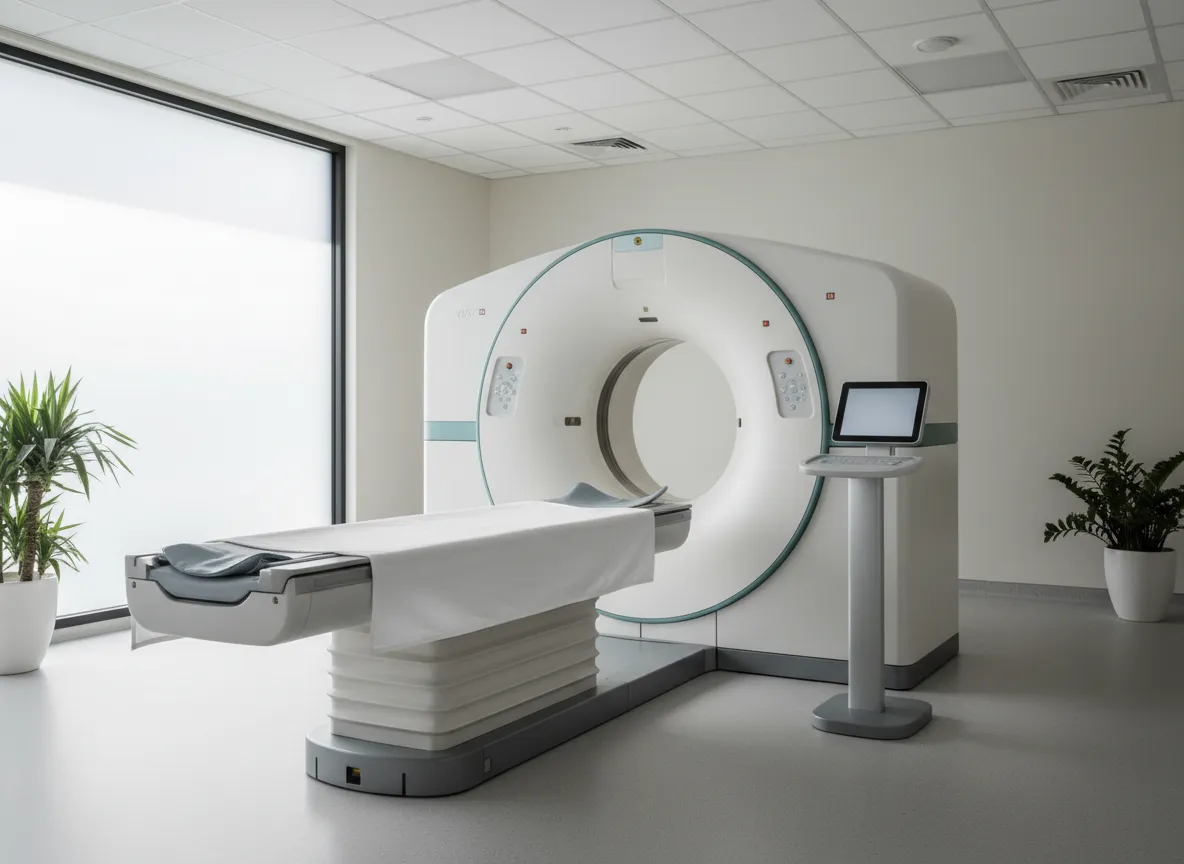
What Is Calcium Scoring?
A coronary artery calcium score uses a fast, low-radiation CT scan to measure hardened plaque in your coronary arteries. No IV contrast is needed, and the scan itself typically takes just a few minutes. The result is a numeric score that helps estimate your chance of future heart events.
Who Should Consider CAC?
- Adults age 40 or older with intermediate or uncertain heart risk.
- People with a family history of early heart disease.
- Those with elevated cholesterol or borderline risk scores.
- Individuals and physicians who are unsure whether to start statin therapy.
Why Calcium Scoring Matters
Higher calcium scores generally signal higher risk of future heart events. Knowing your score can support earlier lifestyle change, more focused discussions about cholesterol and blood pressure, and personalized prevention strategies. For some people, a score of zero can be reassuring and may influence how aggressively to treat risk factors.
The ABCDE+S Risk Profile
A – A1C: Blood sugar and diabetes control.
B – Blood pressure: Keeping numbers in target range.
C – Cholesterol: Managing LDL, HDL, and triglycerides.
D – Diet: Reducing sodium and processed foods, emphasizing whole foods.
E – Exercise: Regular movement suited to your condition.
S – Screening: Tests like CAC scoring to refine your risk picture.
Schedule Calcium Scoring Today
If you live in Lake Charles, Southwest Louisiana, or nearby Texas communities and wish to better understand your heart risk, ask your physician whether a coronary artery calcium score is appropriate for you.
Bloodless Cardiac & Thoracic Surgery in Louisiana
Many patients seek to avoid blood transfusions during heart or lung surgery—for personal, medical, or religious reasons. Dr. Daniel L. Beckles respects these convictions and partners with patients to design blood conservation strategies that align with their values while maintaining a strong focus on safety.
Schedule Bloodless Surgery Consultation
An early conversation allows time to clarify which blood products and techniques you accept, and to coordinate with the full care team.
Our Bloodless Approach
- Preoperative anemia correction when possible, including iron therapy and other measures as appropriate.
- Use of minimally invasive and robotic techniques when suitable, to reduce incision size and blood loss.
- Meticulous hemostasis in the operating room, including careful vessel control and tissue handling.
- Protocols focused on reduced blood utilization, clear documentation of your wishes, and close communication with anesthesia.
Jehovah’s Witness Patients
For Jehovah’s Witness patients, early, detailed discussion is essential. Dr. Beckles collaborates closely with you to define which products and techniques are acceptable, documents these clearly in your chart, and communicates them to the entire care team.
The goal is to honor your beliefs while pursuing the safest possible strategy for your heart or lung condition.
Pre-Operative Checklist for Bloodless Surgery
- Hemoglobin optimization, including evaluation for iron deficiency or other causes of anemia.
- Medication review, especially blood thinners and supplements that affect bleeding.
- Coagulation profile assessment to understand clotting function.
- Iron stores assessment and replacement when indicated.
- Nutritional evaluation to support healing and red blood cell production.
- Clear documentation of which blood conservation strategies and products are acceptable to you.
Wellness & Prevention – Protecting Heart Health in Lake Charles
Strong surgical outcomes are built on a foundation of everyday decisions about blood pressure, cholesterol, smoking, diet, and movement. While this page is educational—not a substitute for personal medical advice—it can help you frame conversations with your physician about heart health in Lake Charles and throughout Southwest Louisiana.
Blood Pressure Control
High blood pressure forces your heart to work harder and accelerates damage to arteries in the heart, brain, and kidneys. Many people feel no symptoms, which is why regular checks are important. Treatment can include lifestyle changes and medications tailored to your needs.
Smoking Cessation
Quitting smoking is one of the most powerful steps you can take to prevent heart disease and lung cancer. Even after decades of smoking, stopping now lowers your risk over time. Medications, counseling, and community programs can all support a successful quit plan.
Cholesterol & Exercise
Managing LDL cholesterol and triglycerides helps slow plaque buildup. Regular physical activity—chosen with your physician’s guidance—improves blood pressure, blood sugar, and mood. Even small, consistent changes in movement make a difference over time.
Cardiovascular Screening in Southwest Louisiana
Heart health in Lake Charles is a shared effort between you and your care team. Screenings such as blood pressure checks, cholesterol testing, diabetes evaluation, coronary artery calcium scoring, and, for some patients, stress testing or echocardiograms can all contribute to a clearer picture of risk.
If you already have heart or lung disease, these same tools help guide timing of interventions and monitor progress. Prevent heart disease in Louisiana by working with your physician to build a long-term prevention plan suited to your life and goals.
Patient Resources
Knowing what to expect can ease anxiety and help you and your family prepare. These resources are designed for patients undergoing cardiac and thoracic surgery in Lake Charles, including those traveling from other regions and countries.
Before Surgery
- You will receive instructions on medications, including which to continue and which to pause.
- Pre-operative tests may include blood work, imaging, and heart or lung function tests.
- You will be advised when to stop eating and drinking the night before surgery.
- Bring a list of your medications, allergies, and emergency contacts.
- Arrange for a support person to be available during your hospital stay and early recovery.
Hospital Locations & Insurance
You will be informed which hospital your surgery is scheduled at, along with directions and parking information. Our team can help verify insurance participation and discuss any authorizations required for heart or lung surgery. International patients receive additional support with documentation and payment planning.
Yes, we accept many insurances. Please call our office today to confirm you are within the CHRISTUS Ochsner NETWORK.
How long will I stay in the hospital after cardiac or thoracic surgery?
Length of stay depends on the type of surgery and your overall condition. Many heart surgery patients stay 4–7 days, starting in the ICU and then moving to a step-down unit. Thoracic surgery stays may be shorter for minimally invasive procedures. Your team will review specific expectations with you.
Can my family stay nearby?
Yes. Lake Charles has multiple hotels and two major resorts—Golden Nugget Lake Charles and L’Auberge Casino Resort Lake Charles—within a short drive of the hospital. Our staff can provide a list of nearby options.
What will I need at home after surgery?
Most patients benefit from a stable chair to sleep in initially, help with meals and household tasks, and a safe place to walk indoors. You will receive instructions about lifting limits, wound care, driving, and returning to work or travel.
Do you offer virtual follow-up visits?
For many patients—especially those who live out of town or internationally—some follow-up visits can be completed by secure video, once it is safe to do so. In-person visits are still essential at certain points in recovery.
Travel Planning Guide
For patients flying in, the Lake Charles Regional Airport and nearby airports in Houston and New Orleans provide multiple options. Our team can advise on typical length of stay, when it is safe to travel home, and how to plan follow-up visits or virtual check-ins.
Before You Decide, Be Certain.
Recommendations for heart or lung surgery can feel overwhelming. A second opinion offers a calm, thorough review of your diagnosis, imaging, and treatment options. Whether you ultimately choose to have surgery with Dr. Beckles or with another surgeon, the goal is the same: clarity and confidence in your decision.
Second opinions are available for patients in Lake Charles, throughout Southwest Louisiana, and in neighboring regions such as Houston, Beaumont, New Orleans, and the Caribbean. Virtual visits may be an option once records and imaging are received.
During a second opinion visit, Dr. Beckles will review your catheterization films, echocardiograms, CT scans, pulmonary function tests, and prior notes. You will have time to ask questions, understand risks and benefits, and discuss alternatives such as minimally invasive or bloodless approaches when appropriate.
Contact Us
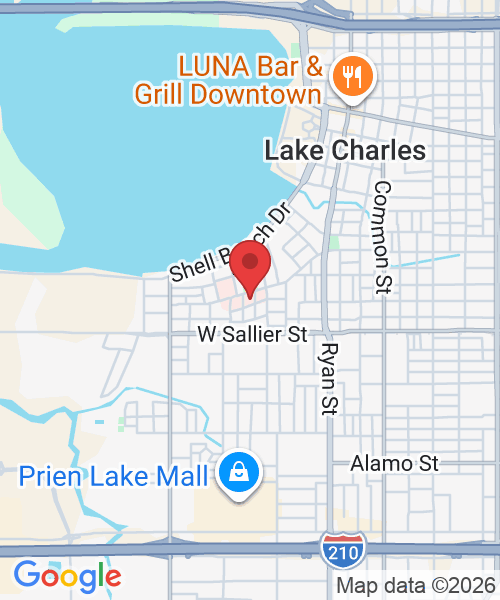
CHRISTUS Ochsner Health- St. Patrick Hospital
401 Dr. Michael DeBakey Drive,
Lake Charles, LA 70601
Tel: (337) 513-0100
Fax: (337) 315-0105
Frequently Asked Questions
Question 1: What and who should I bring to my first appointment?
- Photo Identification: A government-issued ID such as a driver's license or passport.
- Insurance Information: If applicable, bring your insurance card and any other relevant documents related to your payment coverage.
- Medical Records: Any prior medical records, test results, or treatment plans related to your current condition. This will help our team better understand your history and provide the most effective care.
- Medication List: A list of all medications you are currently taking, including dosage and frequency.
- Referral Letters: If you have been referred by another healthcare professional, please bring any letters or notes regarding your referral.
- Questions and Concerns: Write down any specific questions or concerns you have regarding your visit, so you don't forget to address them during your appointment.
- Support Person: If you feel more comfortable having someone with you, you are highly encouraged to bring a family member or friend for support. Having these items with you will help us provide you with the best possible care and make your first appointment as efficient and effective as possible.
Question 2: How do I schedule an appointment with the Cardiothoracic Surgery office?
To schedule an appointment, please follow these steps for a smooth and convenient experience:
1. Gather a pen and paper to take notes.
2. Call our office at (337) 513-0100 during business hours, which are Monday through Friday from 8:30 AM to 5:00 PM, except for holidays.
3. Ensure you have a calendar handy to review and select convenient dates.
4. When you call, discuss your preferred date and time for the visit. It may be helpful to coordinate your appointment with other doctor visits or medical tests you may have on the same day.
By following these steps, you can efficiently schedule an appointment at a time that best suits your needs. We look forward to assisting you at Christus Ochsner!
Question 3: What questions should I ask before my office visit?
Inquire about what exactly to bring to the visit.
Inquire if you need to be fasting for blood work to be performed.
Hearts of Lake Charles
Advanced Cardiac & Thoracic Care in Southwest Louisiana

© 2024 Hearts of Lake Charles. All rights reserved.
The information on this site is for general informational purposes only and is not medical advice; consult your physician for advice specific to your condition.
Want to work with us?
Your Paragraph text goes Lorem ipsum dolor sit amet, consectetur adipisicing elit. Autem dolore, alias, numquam enim ab voluptate id quam harum ducimus cupiditate similique quisquam et deserunt, recusandae. here

COMPANY
CUSTOMER CARE
LEGAL
FOLLOW US


Copyright 2026. Daniel Beckles, MD. All Rights Reserved.